Introduction
In recent years, ivermectin and fenbendazole have gained significant attention worldwide. Originally developed as antiparasitic medications, these compounds are widely used in both human and veterinary medicine. Increased online discussions and research interest have made many people curious about how they work, what they treat, and whether they can be used safely.
This comprehensive guide explores ivermectin and fenbendazole, explaining their medical uses, mechanisms of action, safety considerations, differences, and frequently asked questions. Whether you are researching treatment options or simply learning about antiparasitic medications, this article provides evidence-based information in clear language.
What Is Ivermectin?
Ivermectin is an antiparasitic medication discovered in the 1970s and later awarded a Nobel Prize recognition for its impact on global health. It is included on the World Health Organization’s list of essential medicines due to its effectiveness against several parasitic infections.ivermectin and fenbendazole
Common Medical Uses of Ivermectin
Ivermectin is primarily prescribed to treat:
- Strongyloidiasis (intestinal roundworm infection)
- Onchocerciasis (river blindness)
- Scabies
- Head lice
- Certain skin parasite infections
- Filariasis (parasitic worm infections)
It works by targeting the nervous system of parasites, causing paralysis and death while generally remaining safe for humans when used appropriately.ivermectin and fenbendazole
How Ivermectin Works
Ivermectin binds to specific channels in parasites known as glutamate-gated chloride channels. This disrupts nerve signaling in parasites, leading to:
- Paralysis
- Loss of feeding ability
- Elimination by the immune system
Human nerve cells are protected because these channels are absent or inaccessible in humans at prescribed doses.ivermectin and fenbendazole
What Is Fenbendazole?
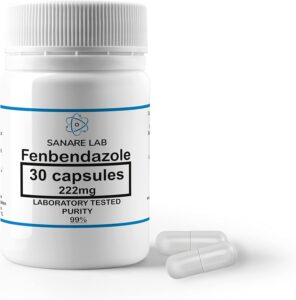
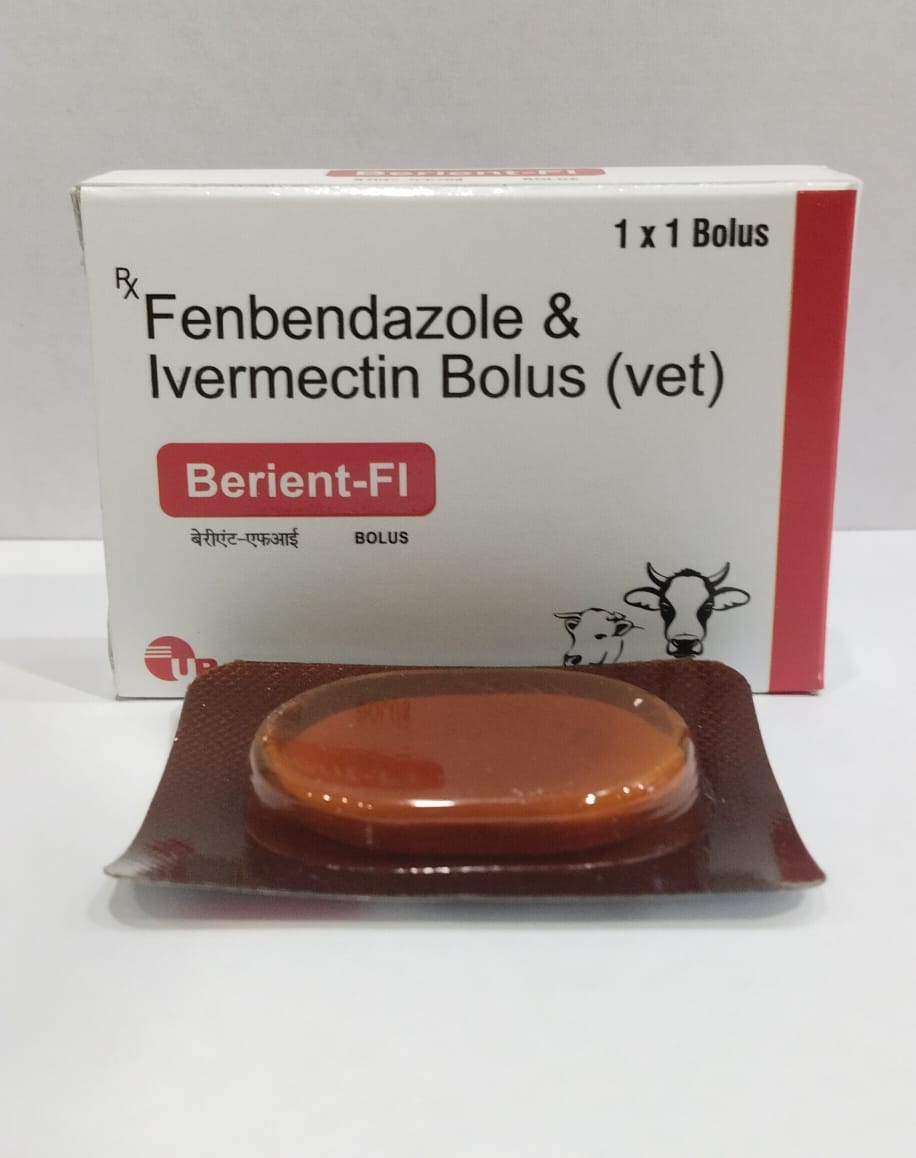
Fenbendazole is a broad-spectrum antiparasitic medication commonly used in veterinary medicine. It belongs to a class of drugs called benzimidazoles, which are effective against various intestinal parasites.
Typical Uses of Fenbendazole
Fenbendazole is widely used to treat parasites in animals such as:
- Dogs
- Cats
- Horses
- Livestock
It targets parasites including:
- Roundworms
- Hookworms
- Whipworms
- Certain tapeworm species
- Giardia (in some cases)
Although primarily veterinary, interest in fenbendazole has increased due to ongoing research into its biological effects.ivermectin and fenbendazole
How Fenbendazole Works
Fenbendazole disrupts parasite cell structure by inhibiting microtubule formation. Microtubules are essential for:
- Nutrient absorption
- Cell division
- Energy metabolism
Without functioning microtubules, parasites cannot survive.
Ivermectin vs Fenbendazole: Key Differences
| Feature | Ivermectin | Fenbendazole |
|---|---|---|
| Drug Class | Macrocyclic lactone | Benzimidazole |
| Primary Use | Human & veterinary | Mainly veterinary |
| Mechanism | Nervous system paralysis | Cellular structure disruption |
| Target Parasites | External & internal parasites | Mainly intestinal parasites |
| Prescription Status | Often prescription-only | Veterinary medication |
| Administration | Tablets, topical, oral | Oral formulations |
Both medications combat parasites but operate through entirely different biological pathways.
Medical Applications and Research Interest
1. Antiparasitic Treatment
Both drugs remain essential tools for parasite control worldwide.ivermectin and fenbendazole
Ivermectin advantages:
- Effective against skin parasites
- Single-dose treatments possible
- Large-scale public health use
Fenbendazole advantages:
- Broad intestinal parasite coverage
- Low toxicity in animals
- Long-standing veterinary safety record
2. Public Health Importance
Ivermectin has played a major role in global disease control programs, particularly in tropical regions where parasitic infections are widespread.
Mass drug administration programs have significantly reduced blindness and disability caused by parasitic worms.
3. Emerging Scientific Research
Researchers continue investigating antiparasitic drugs for additional biological properties. Some laboratory studies explore potential anti-inflammatory and cellular effects. However:
✅ Research is ongoing
✅ Evidence varies widely
❌ Many claims circulating online are not clinically confirmed
Medical decisions should always rely on professional guidance and approved uses.
Safety and Side Effects
Ivermectin Side Effects
Most people tolerate ivermectin well when prescribed correctly.
Common side effects include:
- Mild dizziness
- Nausea
- Fatigue
- Skin itching (during parasite die-off)
Rare but serious reactions may occur, particularly with incorrect dosing.
Fenbendazole Safety Profile
In animals, fenbendazole is generally considered low risk.
Possible effects include:
- Mild digestive upset
- Temporary appetite changes
Human safety data remains limited because it is not widely approved for human treatment in many countries.
Proper Usage and Dosage Considerations
⚠️ Dosage depends on:
- Body weight
- Infection type
- Medical history
- Professional medical evaluation
Self-medicating or using veterinary products for human consumption is not recommended without medical supervision.
Healthcare providers determine appropriate dosing schedules based on clinical guidelines.
Benefits of Antiparasitic Treatments
Effective antiparasitic medications provide several benefits:
- Improved digestive health
- Reduced infection transmission
- Better nutrient absorption
- Enhanced overall wellbeing
- Prevention of complications from untreated infections
In regions where parasites are common, these medications contribute significantly to public health.
Myths vs Facts
Myth 1: All antiparasitic drugs work the same
Fact: Each medication targets parasites differently.
Myth 2: Higher doses work faster
Fact: Incorrect dosing increases risk without improving effectiveness.
Myth 3: Veterinary drugs are interchangeable with human medicine
Fact: Formulations and safety standards differ significantly.
When Should You Consider Antiparasitic Treatment?
Medical professionals may recommend treatment if you experience:
- Persistent digestive symptoms
- Confirmed parasite diagnosis
- Exposure to contaminated water or food
- Travel to high-risk regions
- Skin infestations such as scabies
Diagnosis typically involves laboratory testing before treatment begins.
Global Use and Accessibility
Ivermectin is widely available worldwide due to decades of clinical use and established safety data.
Fenbendazole remains primarily a veterinary treatment but continues to attract scientific curiosity due to its biological activity.
Availability varies by country, and regulations may differ regarding purchase and prescription requirements.
Drug Interactions and Precautions
Ivermectin Interactions
Use caution if taking:
- Blood thinners
- Sedatives
- Certain neurological medications
Fenbendazole Precautions
Because human research is limited, individuals should consult healthcare professionals before considering any off-label use.
Importance of Medical Supervision
Antiparasitic medications are powerful therapeutic tools. Safe use requires:
- Accurate diagnosis
- Correct dosing
- Monitoring for side effects
- Follow-up evaluation
Professional guidance ensures effectiveness while minimizing risks.
Future of Antiparasitic Medicine
Research continues exploring:
- Drug resistance prevention
- Combination therapies
- Improved parasite detection
- Safer treatment protocols
Advances in parasitology may lead to new applications and improved treatment outcomes in the coming years.
Frequently Asked Questions (FAQ)
Is ivermectin approved for human use?
Yes, ivermectin is approved in many countries for specific parasitic infections when prescribed by a healthcare professional.
Is fenbendazole approved for humans?
Fenbendazole is primarily approved for veterinary use. Human applications remain limited and require professional guidance.
Can ivermectin and fenbendazole be taken together?
Only a healthcare provider can determine safe combinations based on medical necessity.
Are these medications antibiotics?
No. They are antiparasitic drugs, not antibiotics.
How fast does ivermectin work?
Many treatments begin working within 24–48 hours, though full recovery depends on infection type.
Do antiparasitic treatments require repeat doses?
Sometimes. Certain infections require follow-up dosing to eliminate parasite life cycles.
Are side effects common?
Most side effects are mild when medications are used appropriately.
Can parasites return after treatment?
Yes, reinfection is possible without proper hygiene and prevention measures.
Prevention Tips for Parasitic Infections
- Wash hands regularly
- Cook meat thoroughly
- Drink clean, filtered water
- Practice proper food hygiene
- Deworm pets regularly
- Avoid walking barefoot in contaminated soil
Prevention remains the most effective long-term strategy.
Conclusion
Ivermectin and fenbendazole are powerful antiparasitic medications with different mechanisms, applications, and regulatory statuses. Ivermectin has a well-established role in human medicine, while fenbendazole is primarily used in veterinary care but continues to attract scientific interest.
Understanding how these medications work, their benefits, and their limitations helps individuals make informed health decisions. Responsible use under professional supervision ensures safety and effectiveness while preventing misuse or unnecessary risks.
As research evolves, antiparasitic therapies will likely remain essential tools in global healthcare, improving quality of life and reducing the burden of parasitic disease worldwide.