Introduction
The terms ivermectin fenbendazole have gained increasing attention online as people search for information about antiparasitic medications and their potential applications. Both ivermectin and fenbendazole are widely known for their effectiveness against parasites, yet they belong to different drug classes and serve different medical purposes.
Understanding how these medications work, their approved uses, safety considerations, and differences is essential before considering any treatment. This guide provides a clear, research-based explanation of ivermectin and fenbendazole, helping readers understand their roles in modern medicine and veterinary care.
What Is Ivermectin?
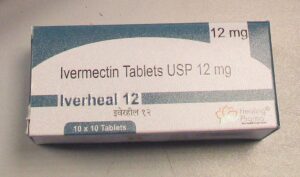
Ivermectin is a well-established antiparasitic medication discovered in the late 20th century. It revolutionized parasite treatment worldwide and has been used in millions of patients across global health programs.
Approved Uses of Ivermectin
Healthcare professionals prescribe ivermectin to treat several parasitic infections, including:
- Strongyloidiasis (intestinal roundworms)
- Onchocerciasis (river blindness)
- Scabies
- Head lice infestations
- Certain skin parasite infections
- Filariasis
Its effectiveness and safety profile have made it one of the most important antiparasitic drugs in human medicine.ivermectin fenbendazole
How Ivermectin Works
Ivermectin targets parasite nerve and muscle cells. It binds to specific chloride channels found in parasites, causing:
- Paralysis
- Loss of movement
- Death of the parasite
Human cells are largely unaffected because these channels function differently in mammals, allowing selective toxicity toward parasites.ivermectin fenbendazole
What Is Fenbendazole?
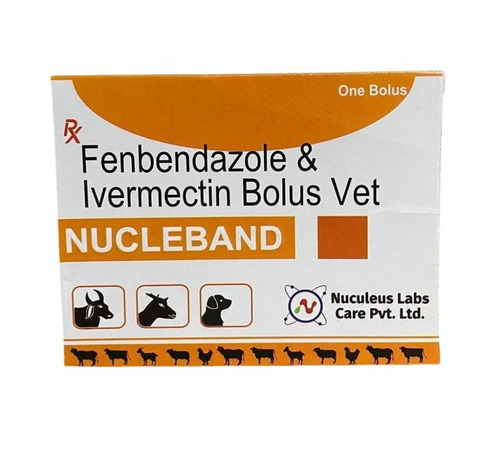
Fenbendazole is a broad-spectrum antiparasitic drug primarily used in veterinary medicine. It belongs to the benzimidazole family of medications.
Common Uses of Fenbendazole
Fenbendazole is commonly used to treat parasites in animals such as:
- Dogs
- Cats
- Horses
- Cattle and livestock
It treats infections caused by:
- Roundworms
- Hookworms
- Whipworms
- Some tapeworms
- Giardia (in veterinary cases)
Although primarily veterinary, scientific interest in fenbendazole has expanded in recent years.
Mechanism of Action
Fenbendazole works differently from ivermectin. It interferes with parasite cells by blocking microtubule formation, which prevents:
- Nutrient absorption
- Cell division
- Energy production
Without these essential processes, parasites cannot survive.ivermectin fenbendazole
Ivermectin vs Fenbendazole: Key Comparison
| Feature | Ivermectin | Fenbendazole |
|---|---|---|
| Drug Type | Macrocyclic lactone | Benzimidazole |
| Primary Use | Human & veterinary | Veterinary mainly |
| Mechanism | Nervous system disruption | Cellular structure inhibition |
| Parasites Targeted | External & internal | Mainly intestinal |
| Approval Status | Human-approved uses | Mostly animal use |
| Forms | Tablets, topical, oral | Oral powders/tablets |
Both medications are antiparasitic but operate through completely different biological mechanisms.
Why People Search “Ivermectin Fenbendazole”
Online searches often combine both drug names because people want to understand:
- Differences between the two medications
- Whether they serve similar purposes
- Safety information
- Research developments
- Antiparasitic treatment comparisons
It’s important to rely on medically accurate sources rather than misinformation circulating online.
Benefits of Ivermectin
1. Proven Human Medical Use
Ivermectin has decades of clinical evidence supporting its effectiveness.ivermectin fenbendazole
2. Wide Parasite Coverage
It treats both internal and external parasites.
3. Global Health Impact
Mass treatment programs using ivermectin have reduced parasitic disease worldwide.
4. Convenient Dosing
Many treatments require only single or short dosing schedules.
Benefits of Fenbendazole
1. Broad Intestinal Parasite Control
Highly effective against multiple gastrointestinal parasites.
2. Strong Veterinary Safety Record
Extensively used in animals with well-documented tolerability.
3. Low Toxicity in Target Species
Generally safe when administered correctly under veterinary supervision.
Safety Considerations
Ivermectin Safety
When prescribed correctly, ivermectin is usually well tolerated.ivermectin fenbendazole
Common side effects include:
- Mild dizziness
- Nausea
- Headache
- Fatigue
- Skin irritation (during parasite elimination)
Serious reactions are rare but may occur with incorrect dosing.
Fenbendazole Safety
Fenbendazole is considered safe for animals when used appropriately. However:
- Human safety data is limited.
- Veterinary formulations may differ from human pharmaceutical standards.
Professional medical advice is essential before considering any off-label use.
Important Differences in Approval and Regulation
One of the biggest distinctions between ivermectin and fenbendazole is regulatory approval.
- Ivermectin: Approved in many countries for human parasitic infections.
- Fenbendazole: Primarily approved for veterinary treatment.
Regulatory agencies evaluate drugs based on clinical trials, safety data, and effectiveness in humans.
Can Ivermectin and Fenbendazole Be Used Together?
Only healthcare professionals can determine whether combining medications is appropriate. Drug interactions, dosing considerations, and medical conditions must all be evaluated before combining treatments.
Self-treatment without medical supervision increases the risk of side effects or ineffective therapy.ivermectin fenbendazole
Scientific Research and Ongoing Studies
Researchers continue exploring antiparasitic drugs beyond their traditional roles. Laboratory studies examine:
- Cellular mechanisms
- Anti-inflammatory effects
- Parasite resistance patterns
However, laboratory findings do not automatically translate into approved human treatments. Clinical trials are required to confirm safety and effectiveness.
Common Myths About Ivermectin Fenbendazole
Myth: Both drugs are interchangeable
Fact: They work differently and treat different parasite types.ivermectin fenbendazole
Myth: Veterinary medicines are safe for humans
Fact: Human dosing and safety standards differ significantly.
Myth: More medication works faster
Fact: Incorrect dosing increases risks without improving results.
When Antiparasitic Treatment May Be Needed
A healthcare provider may evaluate antiparasitic therapy if symptoms include:
- Persistent digestive discomfort
- Unexplained weight loss
- Skin itching or rash
- Exposure to contaminated environments
- Confirmed parasite infection through testing
Diagnosis usually involves stool tests or laboratory analysis.
Preventing Parasitic Infections
Prevention plays a crucial role in long-term health.ivermectin fenbendazole
Recommended practices include:
- Washing hands frequently
- Drinking safe water
- Cooking food thoroughly
- Maintaining pet hygiene
- Wearing shoes outdoors
- Practicing proper sanitation
These steps significantly reduce infection risk.
Drug Interactions and Precautions
Ivermectin
Use caution if taking:
- Sedatives
- Blood thinners
- Neurological medications
Fenbendazole
Because human studies are limited, medical consultation is essential before considering use.
Future of Antiparasitic Treatments
The future of antiparasitic medicine focuses on:
- Preventing drug resistance
- Improved diagnostic tools
- Safer formulations
- Combination therapies
Global research continues to improve treatment strategies and patient outcomes.
Frequently Asked Questions (FAQ)
What is ivermectin mainly used for?
It treats parasitic infections such as scabies, lice, and certain intestinal worms.
What is fenbendazole used for?
It is primarily used in veterinary medicine to treat intestinal parasites in animals.
Are ivermectin and fenbendazole the same?
No. They belong to different drug classes and work through different mechanisms.
Is ivermectin safe for humans?
Yes, when prescribed and used according to medical guidelines.
Is fenbendazole approved for human use?
In most countries, it is approved only for veterinary purposes.
Can parasites return after treatment?
Yes, reinfection can occur without preventive hygiene practices.
Do antiparasitic medications require prescriptions?
Often yes, depending on the country and treatment type.
Conclusion
The growing interest in ivermectin fenbendazole reflects increasing public awareness of antiparasitic treatments. While both medications are effective against parasites, they differ significantly in mechanism, approval status, and medical application.
Ivermectin remains an important, clinically approved treatment for several human parasitic infections, while fenbendazole continues to play a major role in veterinary parasite control. Understanding these differences helps ensure informed decisions and safe medication use.
Always consult qualified healthcare professionals before starting any antiparasitic treatment to ensure safety, proper diagnosis, and effective results.