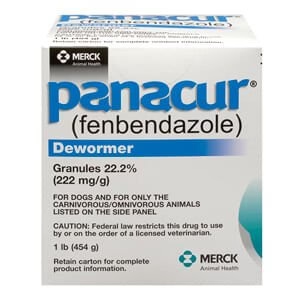
Panacur is a widely used fenbendazole-based dewormer that effectively treats a variety of internal parasites in pets and livestock.panacur fenbendazole
Panacur is a trusted brand containing fenbendazole, a broad-spectrum antiparasitic drug. It is commonly used for dogs, cats, horses, and livestock to treat internal parasites such as roundworms, hookworms, whipworms, and tapeworms.
This guide covers everything you need to know about Panacur: its uses, dosage, safety, and precautions.
What Is Panacur Fenbendazole?
Panacur contains fenbendazole, which works by:
- Interfering with parasite microtubules
- Blocking glucose uptake in the parasite
- Causing energy depletion, leading to death of the parasite
It is available in various forms:
- Granules
- Oral paste
- Suspension (liquid)
- Tablets
These formulations make it suitable for different animals and sizes.
Uses of Panacur
Panacur fenbendazole is effective against a variety of internal parasites:
For Dogs and Cats:
- Roundworms (Toxocara, Toxascaris)
- Hookworms (Ancylostoma)
- Whipworms (Trichuris)
- Certain tapeworm species
For Horses:
- Large and small strongyles
- Ascarids (roundworms)
- Pinworms
- Certain tapeworms
For Livestock (Cattle, Sheep, Goats):
- Gastrointestinal worms
- Lungworms
- Certain tapeworms
Dosage and Administration
Dosage depends on:
- Animal species
- Body weight
- Type of parasite
- Formulation used
Typical guidelines:
- Dogs/Cats: 50 mg per kg body weight daily for 3–5 days
- Horses: 5 mg per kg body weight for 5 consecutive days (depending on parasite)
- Livestock: 5–10 mg per kg, often as a single dose or short course
Tips for Administration:
- Mix granules or paste with food if needed
- Ensure full dosage is consumed
- Follow veterinarian guidance carefully
Safety and Side Effects
Panacur is generally well tolerated, but mild side effects may occur:
- Vomiting
- Diarrhea
- Loss of appetite
- Rare allergic reactions
Precautions:
- Use only approved doses
- Avoid overdosing
- Pregnant or lactating animals: consult a veterinarian
- Keep out of reach of children
Resistance and Responsible Use
Although fenbendazole resistance is less common than some other dewormers, responsible use is important:
- Only treat when necessary
- Follow fecal egg count results for livestock
- Avoid underdosing or unnecessary repeated use
- Rotate drug classes if recommended by your veterinarian
FAQ – Panacur Fenbendazole
1. Can Panacur be used for humans?
No — Panacur is a veterinary product. Human use is not approved and can be unsafe.
2. How long does Panacur take to work?
Parasites are usually eliminated within a few days of completing the treatment course.
3. Can I give Panacur to puppies or kittens?
Yes, but dosing must be adjusted based on weight and age; always consult a veterinarian.
4. Is Panacur safe for pregnant animals?
It can be used in some cases, but always under veterinary supervision.
5. Can Panacur treat all parasites?
Panacur covers many intestinal worms but may not work against all parasites. Veterinary guidance ensures effective treatment.
Conclusion
Panacur fenbendazole is a safe and effective dewormer for pets and livestock when used correctly. Following proper dosage, administration, and veterinary advice ensures optimal parasite control and protects your animals’ health.