Effective horse deworming is not about frequent treatment, but about strategic parasite control based on veterinary guidance and fecal testing.
Internal parasites are a common health concern for horses. Without proper management, worms can cause weight loss, colic, poor coat condition, reduced performance, and even life-threatening complications. Modern horse dewormer programs focus on targeted, evidence-based parasite control rather than routine overuse.
This guide explains how horse dewormers work, the types available, and how to create a responsible deworming plan.
Why Deworming Horses Is Important
Horses are naturally exposed to parasite eggs in pasture environments. Common internal parasites include:
- Small strongyles (cyathostomins)
- Large strongyles
- Roundworms (ascarids, especially in foals)
- Pinworms
- Tapeworms
- Bots (fly larvae)
Unchecked infestations can lead to:
- Colic
- Diarrhea
- Weight loss
- Intestinal damage
- Poor growth in young horses
Proper parasite control protects both individual horses and entire herds.
Types of Horse Dewormers
Several active ingredients are used in equine parasite control. The choice depends on the target parasite and resistance patterns.
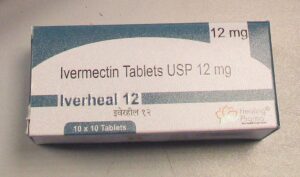
1. Ivermectin
Effective against many strongyles, bots, and some other parasites.
2. Moxidectin
Similar spectrum to ivermectin but longer acting; must be used carefully.
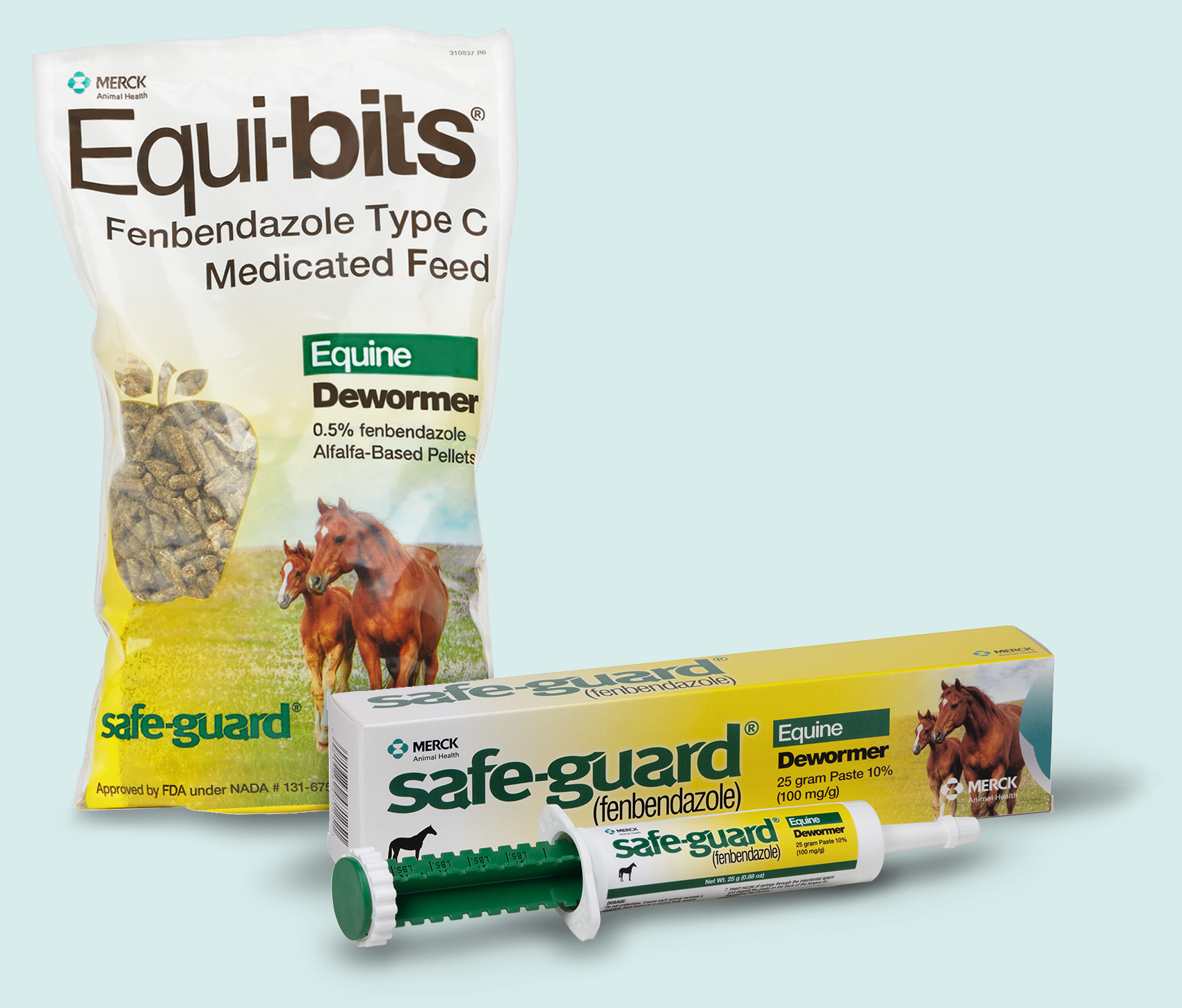
3. Fenbendazole
Used for certain worms, though resistance is common in some regions.
4. Pyrantel
Effective against some strongyles and tapeworms (at specific doses).
5. Praziquantel
Specifically targets tapeworms and is often combined with other agents.
Your veterinarian can determine which product is most appropriate.
Strategic Deworming vs. Routine Deworming
In the past, horses were dewormed every 6–8 weeks. Today, experts recommend strategic deworming, which involves:
- Fecal egg count (FEC) testing
- Identifying high shedders
- Targeting specific parasites
- Reducing unnecessary treatments
This approach helps prevent drug resistance.
Understanding Parasite Resistance
Parasite resistance occurs when worms survive treatment and pass on resistant genes. Overuse and incorrect dosing contribute to resistance.
To reduce resistance:
- Use accurate weight-based dosing
- Avoid underdosing
- Rotate drug classes only when appropriate
- Perform fecal egg count reduction tests
Veterinary supervision is key.
Deworming Schedule for Horses
A typical modern deworming strategy may include:
- Spring fecal egg count
- Targeted treatment if needed
- Tapeworm treatment once or twice yearly
- Monitoring high-risk horses
Foals and young horses may require different schedules due to higher roundworm risk.
Signs Your Horse May Have Worms
Symptoms can include:
- Dull coat
- Weight loss
- Pot belly in young horses
- Diarrhea
- Colic episodes
- Poor performance
However, many horses show no visible signs, which is why testing is important.
Safe Administration of Horse Dewormer
Most horse dewormers are oral pastes given via syringe.
Tips for safe administration:
- Weigh your horse accurately
- Insert syringe into the side of the mouth
- Ensure full dose is swallowed
- Avoid spitting or partial dosing
Improper dosing increases resistance risk.
Pasture Management for Parasite Control
Dewormers alone are not enough. Good management practices include:
- Regular manure removal
- Rotational grazing
- Avoiding overcrowding
- Separating young horses from adults when possible
Integrated parasite management improves long-term health.
Are Horse Dewormers Safe for Humans?
Horse dewormers are formulated specifically for equine use. They are not approved for human consumption. Using veterinary medications outside their intended purpose can be dangerous.
FAQ – Horse Dewormer
1. How often should I deworm my horse?
It depends on fecal egg count results and risk factors. Many adult horses require only 1–3 treatments per year.
2. Can I rotate dewormers every time?
Routine rotation without testing is no longer recommended. Strategic use based on veterinary advice is best.
3. Are natural dewormers effective?
There is limited scientific evidence supporting herbal alternatives as a replacement for approved medications.
4. What happens if I overdose?
Overdosing can cause toxicity, especially with certain drugs. Always dose based on accurate weight.
5. Do indoor horses need deworming?
Yes, if they have pasture access or exposure to contaminated environments.
Conclusion
Modern horse deworming focuses on strategic parasite control, not frequent routine dosing. By combining fecal testing, appropriate medication, and good pasture management, horse owners can effectively protect their animals while reducing drug resistance.