Introduction to Safe-Guard Dewormer
Parasite control is one of the most important aspects of animal health management. Internal parasites such as roundworms, hookworms, whipworms, and certain tapeworms can severely affect livestock, pets, and farm animals if left untreated. One of the most widely recognized and trusted solutions in parasite control is Safe Guard Dewormer.
Safe-Guard Dewormer is commonly used in veterinary medicine to help protect animals from harmful internal parasites. Known for its effectiveness and long-standing reputation, Safe-Guard is frequently recommended by veterinarians and animal health professionals across the world.
This comprehensive guide explains what Safe-Guard Dewormer is, how it works, its uses, benefits, safety considerations, and best practices, while providing SEO-friendly, high-quality content for educational and informational purposes.Safe Guard Dewormer
What Is Safe-Guard Dewormer?
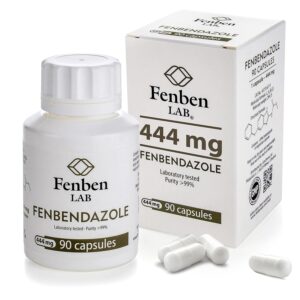
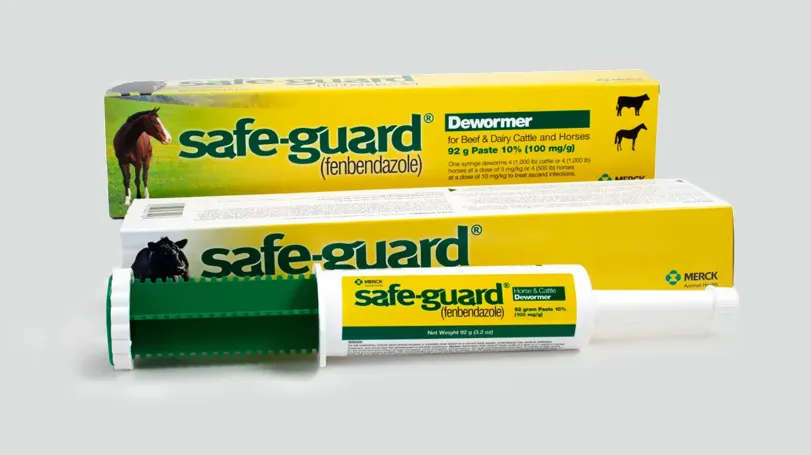
Safe-Guard Dewormer is a veterinary antiparasitic medication whose active ingredient is fenbendazole. Fenbendazole belongs to the benzimidazole class of anthelmintics and is widely used to treat and control internal parasites in animals.
Safe-Guard is available in multiple formulations, including:
- Oral suspensions
- Pellets or granules
- Paste formulations
- Medicated feed options
These formats make Safe-Guard Dewormer adaptable for different animal species and treatment needs.Safe Guard Dewormer
How Safe-Guard Dewormer Works
Safe-Guard Dewormer works by disrupting the energy metabolism of parasites. Fenbendazole interferes with the parasite’s ability to absorb glucose, which is essential for survival. As a result, the parasites lose energy, become immobilized, and eventually die.
Key Advantages of Its Mechanism
- Targets parasites without harming the host animal when used correctly
- Effective against multiple life stages of worms
- Low risk of toxicity when administered at recommended dosages
Because of this selective action, Safe-Guard Dewormer has become a cornerstone treatment in veterinary parasite control programs.
Common Uses of Safe-Guard Dewormer
Safe-Guard Dewormer is widely used in veterinary medicine for the treatment and control of gastrointestinal parasites in various animals.
1. Livestock Use
Safe-Guard is commonly used in:
- Cattle
- Sheep
- Goats
- Horses (in some formulations)
It helps manage parasites such as roundworms, lungworms, and stomach worms, which can impact weight gain, milk production, and overall animal performance.Safe Guard Dewormer
2. Companion Animals
In veterinary practice, fenbendazole is sometimes prescribed for dogs to treat parasites such as:
- Roundworms
- Hookworms
- Whipworms
- Certain tapeworms
Veterinarians may also use fenbendazole in specific cases based on diagnosis and clinical judgment.
3. Farm and Working Animals
Safe-Guard Dewormer is also used for animals that live or work in environments with high parasite exposure, helping maintain long-term health and productivity.
Benefits of Using Safe Guard Dewormer
Safe-Guard Dewormer offers several advantages that contribute to its popularity among veterinarians and animal owners.Safe-Guard Dewormer
Broad-Spectrum Parasite Control
Safe-Guard is effective against multiple types of internal parasites, reducing the need for multiple medications.
Proven Track Record
Fenbendazole has been used for decades and is supported by extensive veterinary research and real-world application.
Flexible Administration Options
With various formulations available, Safe-Guard can be administered easily based on animal size, species, and management system.Safe-Guard Dewormer
Supports Animal Health and Performance
Controlling parasites improves:
- Nutrient absorption
- Weight gain
- Energy levels
- Immune function
Healthy animals are more productive and have a better quality of life.
Dosage Guidelines and Administration
Importance of Proper Dosage
Correct dosing is essential for effectiveness and safety. Underdosing may lead to incomplete parasite control, while overdosing can increase the risk of adverse effects.
General Dosage Principles
- Dosage is based on animal species and body weight
- Treatment duration may range from single-day to multi-day regimens
- Always follow veterinary or label instructions
Measuring and Administering
- Weigh animals accurately before dosing
- Use proper dosing tools for liquid or paste formulations
- Ensure full consumption when mixed with feed
Consult a veterinarian before starting treatment, especially for young, pregnant, or medically compromised animals.
Safety and Precautions
Is Safe-Guard Dewormer Safe?
When used as directed, Safe Guard Dewormer is considered safe and well-tolerated for approved animal species. Its safety profile is one of the reasons it is widely trusted in veterinary medicine.
Animals That May Require Extra Caution
- Pregnant animals
- Very young animals
- Animals with existing health conditions
Veterinary guidance is recommended in these cases.
Potential Side Effects
Side effects are uncommon but may include:
- Mild digestive upset
- Temporary lethargy
- Reduced appetite
In many cases, these symptoms are mild and resolve on their own.
Withdrawal Periods and Food Safety
For food-producing animals, withdrawal periods are extremely important.Safe Guard Dewormer
What Is a Withdrawal Period?
A withdrawal period is the time required after treatment before animal products (meat or milk) can be safely consumed.
Why Withdrawal Periods Matter
- Protects human health
- Ensures compliance with food safety regulations
- Prevents drug residue contamination
Always follow label instructions and local regulatory guidelines regarding withdrawal times.Safe Guard Dewormer
Safe-Guard Dewormer vs Other Dewormers
Fenbendazole vs Other Anthelmintics
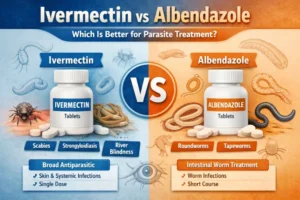
Safe-Guard Dewormer is often compared with other dewormers such as ivermectin or albendazole. Each medication has its strengths and specific parasite targets.
Safe-Guard is especially valued for:
- Broad gastrointestinal parasite coverage
- Lower resistance risk when used appropriately
- Compatibility with integrated parasite management programs
A veterinarian can recommend the most suitable option based on parasite type and local resistance patterns.Safe Guard Dewormer
Preventing Parasite Resistance
Parasite resistance is a growing concern in veterinary medicine.
Best Practices to Reduce Resistance
- Avoid unnecessary deworming
- Use fecal testing to guide treatment
- Rotate dewormers when recommended
- Dose accurately based on weight
Responsible use helps preserve the effectiveness of Safe Guard Dewormer for future generations.
Storage and Handling
To maintain product quality:
- Store at room temperature
- Keep away from direct sunlight
- Seal containers properly after use
- Keep out of reach of children
Do not use expired products, as effectiveness may be reduced.
Common Myths About Safe-Guard Dewormer
Myth 1: One Dose Works Forever
False. Parasite control requires ongoing management and monitoring.Safe Guard Dewormer
Myth 2: Higher Doses Work Better
False. Overdosing does not improve results and increases risk.
Myth 3: All Dewormers Are the Same
False. Different medications target different parasites.Safe Guard Dewormer
Frequently Asked Questions (FAQ)
How often should animals be dewormed?
This depends on species, environment, and parasite exposure. A veterinarian can create a tailored deworming schedule.
Can Safe-Guard be used year-round?
Yes, when used responsibly as part of a parasite control plan.
Is Safe-Guard Dewormer prescription-only?
Availability varies by region and formulation. Some products may be over-the-counter, while others require veterinary oversight.
Why Safe-Guard Dewormer Remains a Trusted Choice
Safe-Guard Dewormer continues to be widely used because it combines effectiveness, safety, and versatility. When used correctly, it helps protect animal health, supports productivity, and plays a key role in modern parasite control strategies.
Its long history of use and strong veterinary backing make it a reliable option for livestock owners, farmers, and animal caregivers alike.
Final Thoughts
Safe-Guard Dewormer is a proven and effective solution for managing internal parasites in animals. While it is highly beneficial, responsible use is essential. Always follow veterinary advice, adhere to dosage instructions, and integrate deworming into a broader animal health management plan.
Accurate information and proper use ensure that Safe-Guard Dewormer remains effective, safe, and trusted for years to come.