
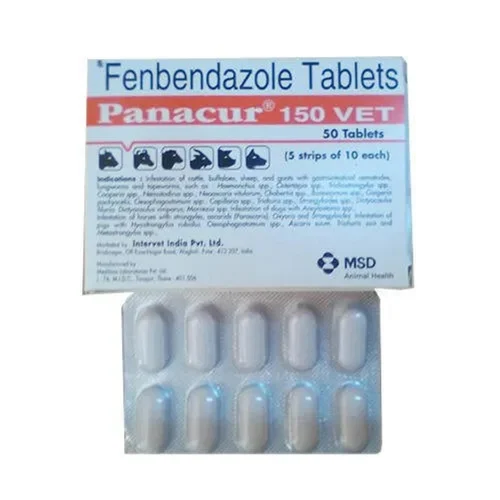
Keeping your dog healthy involves more than just regular walks and nutritious food—it also requires protecting them from intestinal parasites that can compromise their health. One of the most effective treatments for dogs is Fenbendazole, a broad-spectrum anti-parasitic medication used by veterinarians worldwide. In this comprehensive guide, we’ll explore what Fenbendazole is, how it works, its benefits, dosing guidelines, safety considerations, and tips for maintaining your dog’s health.Fenbendazole for dogs
What is Fenbendazole?
Fenbendazole is a benzimidazole-class anti-parasitic medication primarily used to treat intestinal worms in dogs, cats, horses, and livestock. Its mechanism of action involves interfering with the energy metabolism of worms, which ultimately leads to their death.
Fenbendazole is available under several brand names, the most popular being Panacur and Safe-Guard, and it’s widely recognized for its safety, efficacy, and ease of use. Unlike some other dewormers, Fenbendazole works on a broad spectrum of parasites, making it a reliable choice for dog owners.
Common Parasites Treated by Fenbendazole in Dogs
Fenbendazole effectively treats several common intestinal parasites in dogs:
- Roundworms (Toxocara canis)
- Common in puppies and adult dogs, roundworms can cause vomiting, diarrhea, weight loss, and a dull coat.
- Hookworms (Ancylostoma caninum)
- These parasites attach to the intestinal lining and feed on blood, causing anemia and lethargy in dogs.
- Whipworms (Trichuris vulpis)
- Whipworms affect the large intestine, leading to diarrhea, dehydration, and nutrient loss.Fenbendazole for dogs
- Certain Tapeworms (Taenia species)
- Fenbendazole is effective against some tapeworm species, though not all; praziquantel is sometimes needed for complete tapeworm treatment.
- Other Intestinal Parasites
- Some veterinarians use Fenbendazole to manage Giardia infections in dogs, often in combination with other medications.
How Fenbendazole Works
Fenbendazole works by disrupting the cellular function of parasites, specifically targeting the proteins in their microtubules, which are essential for cell structure and nutrient absorption. By binding to tubulin, Fenbendazole prevents the worms from absorbing glucose, starving them to death.
This process:
- Stops worm reproduction
- Eliminates adult parasites
- Helps reduce parasite load in the intestines
Its mechanism makes it highly effective against a broad range of worms and ensures that most infestations can be treated with a short course of medication.Fenbendazole for dogs
Benefits of Using Fenbendazole for Dogs
- Broad-Spectrum Effectiveness
- Fenbendazole targets multiple types of intestinal parasites, reducing the need for multiple medications.
- Safe for Most Dogs
- Widely tolerated in puppies, adults, and senior dogs, though dosage may vary based on age and weight.
- Supports Digestive Health
- By removing worms, Fenbendazole helps prevent diarrhea, vomiting, nutrient loss, and anemia.
- Prevents Parasite Transmission
- Deworming dogs protects other pets and humans from zoonotic infections like roundworms and hookworms.
- Convenient Administration
- Available in tablets, granules, or oral suspensions, Fenbendazole can be easily mixed with food or given directly.
Dosing Guidelines for Fenbendazole in Dogs
Proper dosing is crucial for the effectiveness and safety of Fenbendazole. Always consult a veterinarian before starting treatment. Typical guidelines include:Fenbendazole for dogs
- Dogs <25 lbs (11 kg): 50 mg per kg of body weight daily for 3–5 days
- Dogs 25–50 lbs (11–23 kg): 50 mg per kg daily for 3–5 days
- Dogs >50 lbs (23 kg): 50 mg per kg daily for 3–5 days
Administration Tips:
- Mix with a small amount of wet food to ensure your dog consumes the full dose.
- Repeat the treatment as recommended by your vet for severe infestations.
- Monitor for side effects, which are usually mild.
Safety and Side Effects
Fenbendazole is considered safe for most dogs, but some precautions are necessary:
- Common side effects: Mild vomiting, diarrhea, or temporary loss of appetite.Fenbendazole for dogs
- Rare reactions: Allergic responses, lethargy, or changes in behavior.
- Special considerations:
- Pregnant or nursing dogs should only receive Fenbendazole under veterinary guidance.
- Dogs with liver or kidney issues require professional monitoring.Fenbendazole for dogs
Fenbendazole is less likely to cause adverse effects compared to older deworming medications, making it suitable for frequent use in parasite-prone areas.
Signs Your Dog May Need Deworming
Even with preventive measures, dogs can develop parasite infections. Look for these signs:
- Visible worms in feces or around the anus
- Diarrhea or soft stools
- Vomiting or nausea
- Weight loss despite normal appetite
- Dull coat or hair loss
- Lethargy and reduced activity
Regular fecal exams and routine deworming can help catch infections early and prevent serious complications.
Preventing Parasites in Dogs
While Fenbendazole is highly effective, prevention is always better than treatment:
- Regular Deworming: Follow your vet’s recommended schedule, often every 3–6 months.Fenbendazole for dogs
- Clean Environment: Keep your dog’s living area clean and free from fecal contamination.
- Proper Diet and Water: Ensure fresh water and avoid raw meat, which can carry parasites.
- Flea and Tick Control: Fleas can transmit tapeworms; controlling them reduces risk.
- Routine Vet Visits: Regular check-ups help detect parasites early and maintain overall health.
Why Choose Fenbendazole Over Other Dewormers
- Broad spectrum: Treats multiple parasites at once.
- Safe for puppies and adults: Gentle enough for long-term use.Fenbendazole for dogs
- Proven efficacy: Trusted by veterinarians worldwide.
- Flexible forms: Tablets, granules, and suspensions make administration easy.
For dog owners looking for a reliable and effective dewormer, Fenbendazole remains a top choice.
Frequently Asked Questions (FAQs)
Q1: Can Fenbendazole be used in puppies?
Yes, puppies as young as 6 weeks can safely take Fenbendazole under veterinary guidance.
Q2: How often should I deworm my dog with Fenbendazole?
Routine deworming is recommended every 3–6 months, but your vet may adjust based on age, environment, and risk factors.
Q3: Can humans get worms from dogs?
Yes, some parasites like roundworms and hookworms are zoonotic, meaning they can infect humans. Regular deworming is essential for family health.
Q4: Are there alternatives to Fenbendazole?
Other dewormers exist, such as praziquantel or ivermectin, but Fenbendazole is preferred for its broad-spectrum effectiveness and safety.Fenbendazole for dogs
Conclusion
Fenbendazole for dogs is a safe, effective, and broad-spectrum dewormer that protects your pet from a range of intestinal parasites. From roundworms and hookworms to whipworms, Fenbendazole helps maintain your dog’s digestive health, energy levels, and overall well-being.
By following proper dosing guidelines, monitoring for side effects, and maintaining preventive measures, dog owners can ensure their pets stay healthy and parasite-free. Always consult a veterinarian before starting any treatment, especially in puppies, senior dogs, or dogs with pre-existing health conditions.
Fenbendazole remains a trusted choice for pet owners seeking reliable, safe, and effective parasite control.