Cancer remains one of the leading health challenges worldwide, and patients are constantly seeking treatments that are effective, safe, and accessible. Among emerging discussions in alternative oncology, Fenbendazole, traditionally used as an anti-parasitic medication for animals, has gained attention for its potential anti-cancer properties.Fenbendazole for cancer
In this article, we explore what Fenbendazole is, how it may affect cancer cells, the research behind its use, and important safety considerations.
What is Fenbendazole?
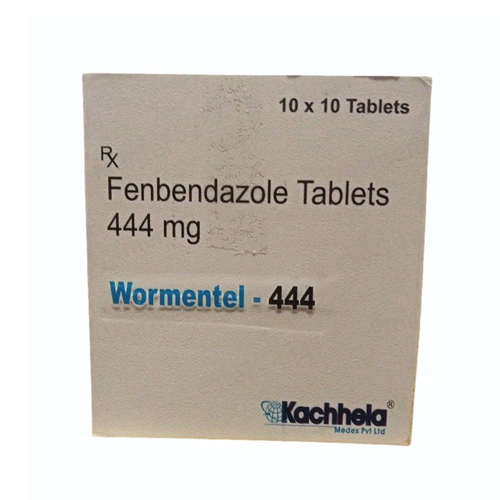
Fenbendazole is a broad-spectrum anti-parasitic drug commonly prescribed in veterinary medicine to treat intestinal worms and parasites in animals such as dogs, cats, and livestock. It belongs to the benzimidazole class of medications, which work by interfering with the energy metabolism of parasites, causing their death.Fenbendazole for cancer
Recently, anecdotal reports and preliminary studies suggest that Fenbendazole may also disrupt the growth of cancer cells in humans, sparking curiosity in both patients and researchers.Fenbendazole for cancer
How Fenbendazole Works Against Cancer
Fenbendazole’s potential anti-cancer effects are thought to involve several mechanisms:
- Microtubule Disruption
- Cancer cells rely on microtubules to divide and multiply. Fenbendazole binds to tubulin, a key protein in microtubules, disrupting their function. This interference can prevent cancer cells from dividing and lead to cell death.
- Inducing Apoptosis
- Apoptosis, or programmed cell death, is a natural mechanism to remove damaged or abnormal cells. Fenbendazole may promote apoptosis in cancer cells, reducing tumor growth.
- Metabolic Interference
- Cancer cells have altered metabolic pathways, relying heavily on glucose for energy. Fenbendazole may inhibit glucose uptake and energy production in cancer cells, weakening them and potentially making them more responsive to other treatments.
- Synergistic Effects with Other Treatments
- Early studies indicate Fenbendazole may enhance the effectiveness of conventional cancer therapies, such as chemotherapy and targeted treatments, by sensitizing cancer cells.Fenbendazole for cancer
Research and Evidence
While the majority of research on Fenbendazole as an anti-cancer agent is in preclinical stages, involving cell cultures and animal models, findings are promising:
- Studies have shown that Fenbendazole can inhibit the growth of lung, colon, and pancreatic cancer cells in laboratory settings.
- Some anecdotal reports describe improved quality of life and tumor regression when Fenbendazole is used alongside standard therapies.
It’s important to note that large-scale clinical trials in humans are still lacking, and the drug is not officially approved for cancer treatment. Researchers continue to explore its mechanisms and potential benefits.Fenbendazole for cancer
Forms and Dosage
Fenbendazole is typically available in tablet, granule, or suspension forms. For cancer support, doses discussed in alternative communities vary, but safety and professional guidance are critical:
- Veterinary-grade Fenbendazole is often repurposed for experimental human use.
- Human-grade formulations may be available in some regions, but consultation with a healthcare professional is essential.
Important: Dosage for cancer is not standardized, and self-medication can carry risks.
Safety, Risks, and Precautions
Although Fenbendazole is generally considered safe in animals, using it for cancer treatment in humans requires caution:
- Potential Side Effects: Mild gastrointestinal upset, nausea, or headaches. Severe reactions are rare but possible.
- Drug Interactions: Fenbendazole may interact with other medications, especially chemotherapy or anti-seizure drugs.
- Pregnancy and Liver Concerns: Safety in pregnant or breastfeeding individuals is unproven. Patients with liver issues should consult their doctor before use.
Always discuss with your oncologist before considering Fenbendazole, as it should never replace conventional cancer treatments but may be explored as a complementary approach.Fenbendazole for cancer
Patient Experiences and Anecdotal Reports
Many cancer patients have shared experiences online about Fenbendazole use. Some report:
- Improved energy levels and appetite
- Slower tumor growth
- Fewer side effects compared to chemotherapy alone
While anecdotal evidence is not scientifically conclusive, it has generated significant interest in research communities.
Integrating Fenbendazole Into Cancer Care
If considering Fenbendazole as part of cancer care, experts recommend:
- Consult Your Oncologist – Ensure coordination with standard treatment.
- Start with Research-Based Guidance – Only use doses referenced in clinical or preclinical studies.
- Monitor Health Closely – Regular blood tests and imaging to assess response and safety.
- Maintain Conventional Therapy – Do not discontinue chemotherapy, radiotherapy, or immunotherapy.Fenbendazole for cancer
Conclusion
Fenbendazole offers a fascinating avenue in the search for complementary cancer therapies. Its mechanisms—targeting microtubules, inducing apoptosis, and interfering with cancer metabolism—make it a promising candidate for further research.Fenbendazole for cancer
While current evidence is largely preclinical, early results and anecdotal reports are encouraging, highlighting the need for more clinical trials. Patients interested in Fenbendazole should approach it with caution, under professional guidance, and as part of a broader cancer care plan.