Pembrolizumab:
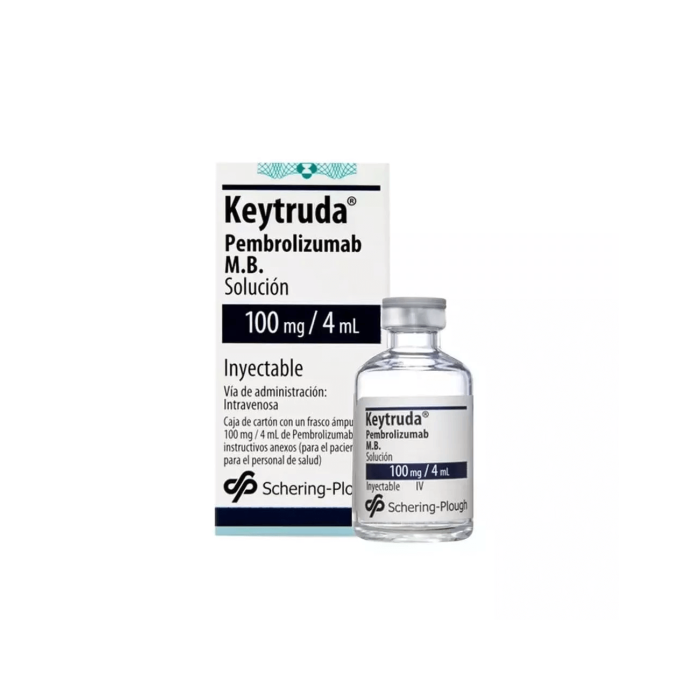
Cancer treatment has evolved dramatically over the past decade, and one of the most powerful advances has been the rise of immunotherapy — treatments that empower the body’s immune system to recognize and destroy cancer cells. Among these therapies, Pembrolizumab, also known by its brand name Keytruda®, has become a cornerstone of modern oncology.
This article explores what Pembrolizumab is, how it works, which cancers it treats, its benefits, side effects, and why it’s considered a major step forward in the fight against cancer.
What Is Pembrolizumab?
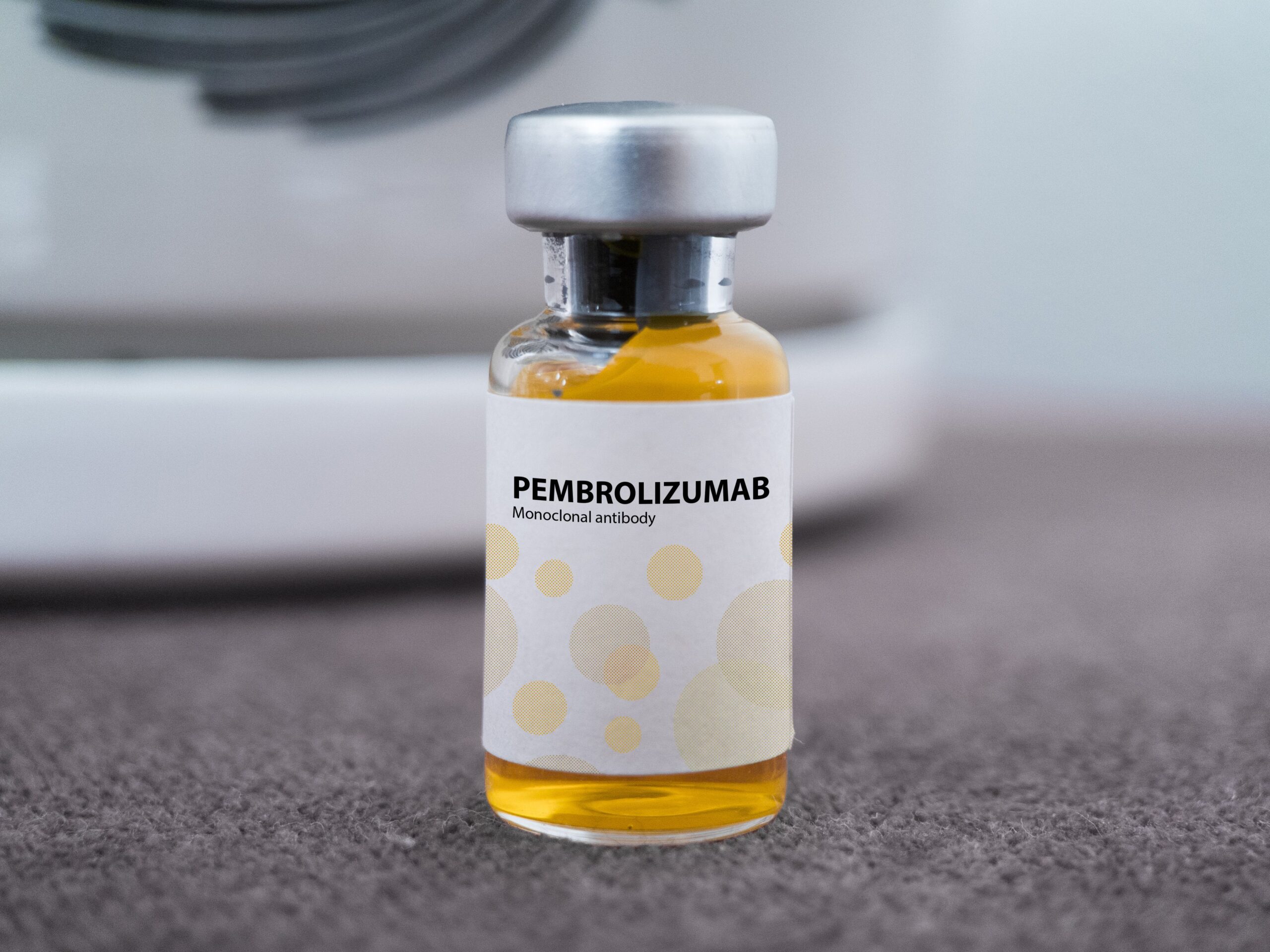
Pembrolizumab is an FDA-approved monoclonal antibody that belongs to a class of drugs called immune checkpoint inhibitors. It specifically targets the PD-1 receptor (programmed cell death-1) found on immune cells known as T-cells.
Under normal circumstances, PD-1 acts as a brake that prevents the immune system from attacking healthy cells. However, many cancer cells exploit this pathway by expressing PD-L1 (programmed death-ligand 1), which binds to PD-1 and turns off the T-cell’s ability to attack.
Pembrolizumab blocks this interaction, effectively “releasing the brakes” on the immune system and allowing T-cells to recognize and destroy cancer cells.
Cancers Treated with Pembrolizumab
Pembrolizumab has a wide range of indications and continues to be approved for new cancer types as research progresses. It’s currently used for treating:
- Melanoma (skin cancer)
- Non-small cell lung cancer (NSCLC)
- Head and neck squamous cell carcinoma (HNSCC)
- Classical Hodgkin lymphoma
- Urothelial carcinoma (bladder cancer)
- Cervical cancer
- Gastric (stomach) cancer
- Esophageal cancer
- Triple-negative breast cancer
- Colorectal cancer with microsatellite instability-high (MSI-H)
- Endometrial carcinoma
- Liver cancer (hepatocellular carcinoma)
One of Pembrolizumab’s unique distinctions is that it was the first drug ever approved by the FDA based on a tumor’s genetic features (biomarkers) rather than the cancer’s location. This precision approach represents a major shift toward personalized medicine.
How Pembrolizumab Works
- Cancer cells evade detection: Many tumors produce PD-L1 proteins that bind to PD-1 receptors on immune cells, shutting them down.
- Pembrolizumab intervenes: It attaches to the PD-1 receptor and prevents PD-L1 from binding.
- Immune system reactivates: T-cells can now recognize and attack cancer cells more effectively.
This mechanism enables the immune system to mount a sustained attack, often resulting in long-term tumor regression even after treatment ends — something rarely seen with traditional chemotherapy.
Benefits of Pembrolizumab
✅ Durable Response:
Some patients experience long-lasting remission, even after stopping treatment.
✅ Fewer Systemic Side Effects:
Unlike chemotherapy, Pembrolizumab doesn’t destroy healthy cells indiscriminately. Most side effects arise from immune activation rather than toxicity.
✅ Applicable to Multiple Cancers:
Its broad range of approvals and ongoing trials make it a versatile treatment option.
✅ Personalized Medicine:
Pembrolizumab can be tailored to patients whose tumors express PD-L1 or have specific genetic markers, improving treatment success rates.
How Pembrolizumab Is Administered
it is given as an intravenous (IV) infusion, typically every 3 or 6 weeks, depending on the dosage schedule prescribed by the oncologist. Treatment duration varies based on the cancer type, stage, and patient response.
During therapy, doctors monitor tumor response, side effects, and blood work to ensure safety and effectiveness.
Possible Side Effects
Because Pembrolizumab stimulates the immune system, side effects can arise when the immune response targets healthy organs. Common and manageable effects include:
- Fatigue
- Skin rash or itching
- Diarrhea
- Nausea
- Joint or muscle pain
In rare cases, more serious immune-related reactions may occur, affecting the lungs (pneumonitis), liver (hepatitis), intestines (colitis), or endocrine glands (thyroiditis, hypophysitis). Patients are closely monitored so these reactions can be detected and treated early.
Clinical Success and Ongoing Research
Pembrolizumab has transformed cancer care, with multiple studies showing significant improvements in overall survival and progression-free survival across several tumor types. It’s now a first-line therapy for many advanced cancers and is being combined with other drugs — such as chemotherapy, targeted therapy, or radiotherapy — to improve outcomes further.
Ongoing clinical trials are exploring Pembrolizumab’s potential in treating cancers like pancreatic, ovarian, and brain tumors, as well as its use in earlier stages of disease to prevent recurrence.
Pembrolizumab vs. Traditional Chemotherapy
| Feature | Pembrolizumab | Chemotherapy |
|---|---|---|
| Mechanism | Stimulates immune system to attack cancer | Directly kills dividing cells |
| Target | PD-1 receptor on immune cells | Rapidly dividing cancer (and healthy) cells |
| Side Effects | Mostly immune-related, manageable | Hair loss, nausea, fatigue, bone marrow suppression |
| Duration of Benefit | Often long-lasting | Usually temporary |
| Personalization | Based on PD-L1 or genetic markers | Standardized dosing |
This comparison highlights why immunotherapy, and particularly Pembrolizumab, has become a preferred option when eligible.
The Future of Cancer Treatment
The success of it marks a paradigm shift from treating cancer solely with cytotoxic drugs to empowering the body’s natural defenses. As research expands, combination therapies using it with other immunomodulators or vaccines could redefine how cancer is managed — possibly leading to more cures and fewer relapses.
Final Thoughts
it has given new hope to millions of patients worldwide. By targeting the PD-1 pathway, it helps the immune system recognize cancer cells that once hid in plain sight. Its success across multiple cancers, long-term effectiveness, and relatively mild side effects have made it one of the most important cancer drugs of the 21st century.
For patients exploring treatment options, it represents more than a medication — it’s a symbol of how far science has come in turning the immune system into one of the most powerful weapons against cancer.