
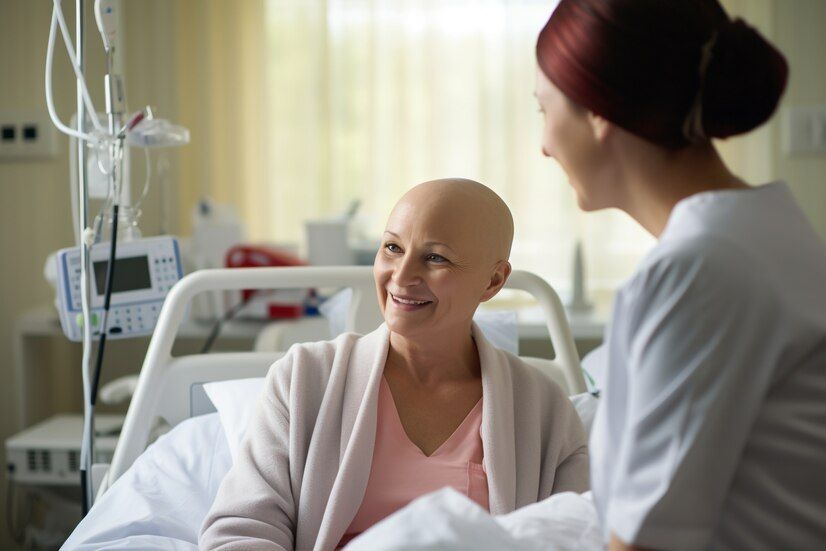
Cancer care involves far more than treating a tumor — it includes medical treatment, symptom management, emotional support, and long-term survivorship planning.
A cancer diagnosis can feel overwhelming. However, modern cancer care has evolved into a highly coordinated, patient-centered approach that combines advanced medical treatments with supportive therapies to improve both survival and quality of life.
This guide explains what cancer care includes, the types of treatments available, and the importance of holistic patient support.
What Is Cancer Care?
Cancer care refers to the full spectrum of medical and supportive services provided to individuals diagnosed with cancer. It includes:
- Early detection and diagnosis
- Treatment planning
- Medical therapies
- Symptom management
- Psychological support
- Rehabilitation
- Long-term follow-up and survivorship care
Modern cancer care is typically delivered by a multidisciplinary team of specialists.
The Cancer Care Team
Effective oncology care involves collaboration between healthcare professionals, including:
- Medical oncologists
- Surgical oncologists
- Radiation oncologists
- Oncology nurses
- Pathologists
- Radiologists
- Psychologists or counselors
- Nutritionists
- Social workers
This team works together to create an individualized treatment plan.
Types of Cancer Treatment
1. Surgery
Surgery removes cancerous tissue and may be curative in early-stage cancers.
2. Chemotherapy
Chemotherapy uses drugs to kill rapidly dividing cancer cells. It may be used:
- Before surgery (neoadjuvant therapy)
- After surgery (adjuvant therapy)
- For advanced disease
3. Radiation Therapy
Radiation uses high-energy beams to destroy cancer cells or shrink tumors.
4. Immunotherapy
Immunotherapy helps the body’s immune system recognize and attack cancer cells.
5. Targeted Therapy
These drugs target specific molecules involved in cancer growth.
6. Hormone Therapy
Used in cancers influenced by hormones, such as certain breast or prostate cancers.
Personalized Cancer Care
One of the biggest advances in oncology is personalized or precision medicine. This approach:
- Analyzes tumor genetics
- Identifies specific mutations
- Matches patients with targeted treatments
This allows more effective and less toxic treatment strategies.
Managing Side Effects
Cancer treatments can cause side effects, including:
- Fatigue
- Nausea
- Hair loss
- Pain
- Immune suppression
Modern cancer care includes supportive therapies to manage these symptoms, improving comfort and treatment adherence.
Palliative Care vs. Hospice Care
Palliative Care
Focuses on symptom relief and quality of life at any stage of cancer.
Hospice Care
Provides comfort care when curative treatment is no longer pursued.
Both play vital roles in comprehensive cancer care.
Emotional and Psychological Support
A cancer diagnosis affects more than the body. Emotional care may include:
- Counseling
- Support groups
- Family therapy
- Stress management techniques
Mental health support improves overall outcomes and resilience.
Nutrition and Lifestyle Support
Healthy lifestyle choices can support recovery and well-being:
- Balanced nutrition
- Gentle physical activity
- Sleep hygiene
- Stress reduction
Patients should always consult healthcare providers before making major changes.
Survivorship Care
After treatment, patients enter survivorship care, which includes:
- Monitoring for recurrence
- Managing long-term side effects
- Rehabilitation
- Ongoing emotional support
Survivorship is an essential phase of cancer care.
Advances in Cancer Research
Cancer research continues to evolve rapidly. Innovations include:
- CAR-T cell therapy
- Liquid biopsies
- AI-assisted diagnostics
- Novel immunotherapies
Clinical trials offer access to emerging therapies and contribute to medical progress.
Frequently Asked Questions (FAQ)
1. What is the goal of cancer care?
The goal may be cure, disease control, or symptom management, depending on the cancer type and stage.
2. Is cancer always curable?
Some cancers are curable, especially when detected early. Others can be managed long term.
3. What is a multidisciplinary team?
A coordinated group of specialists who collaborate to create the best treatment plan.
4. Should patients consider clinical trials?
Clinical trials may provide access to innovative treatments. Discuss options with your oncologist.
5. How important is emotional support?
Emotional and psychological care significantly improves quality of life and coping ability.
Conclusion
Cancer care is a comprehensive and evolving field that extends beyond tumor treatment. It combines medical innovation with compassionate support, ensuring patients receive personalized and holistic care.