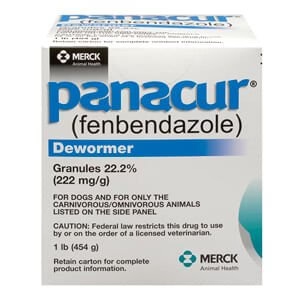
Fenbendazole is a veterinary antiparasitic medication used to treat worm infections in animals and is not approved for routine human use.
it has gained significant attention online in recent years. While it has long been used in veterinary medicine, increasing internet discussions have led many people to search for information about what it is, how it works, and whether it can be used by humans.
This guide provides clear, evidence-based information about it, its approved uses, and important safety considerations.
What Is Fenbendazole?
it is an antiparasitic medication that belongs to a class of drugs called benzimidazoles. It is widely used in veterinary medicine to treat intestinal parasites in animals.
It is commonly prescribed for:
- Dogs
- Cats
- Horses
- Cattle and livestock
it is available in various veterinary formulations such as tablets, granules, pastes, and suspensions.
What Does Fenbendazole Treat?
it is effective against several types of parasites in animals, including:
- Roundworms
- Hookworms
- Whipworms
- Certain tapeworm species
- Some lungworms
Veterinarians use it as a broad-spectrum dewormer because it targets multiple types of parasitic worms.
How Does Fenbendazole Work?
it works by disrupting the parasite’s ability to absorb glucose. Specifically, it:
- Interferes with microtubule formation
- Blocks energy metabolism
- Starves the parasite
- Leads to parasite death
Because parasites rely heavily on glucose uptake, this mechanism makes fenbendazole effective in veterinary deworming.
Is Fenbendazole Approved for Humans?
In most countries:
- it is not approved for human use.
- It is licensed for veterinary medicine only.
- Human safety and dosage standards are not established for routine use.
Some laboratory research has explored the biological effects of benzimidazole compounds in controlled settings, but this is not the same as approved medical treatment.
⚠️ Taking veterinary medications intended for animals can carry unknown health risks.
Why Has Fenbendazole Gained Online Attention?
Interest in fenbendazole increased due to:
- Online testimonials
- Discussions about drug repurposing
- Social media amplification
- Anecdotal reports
However, anecdotal stories are not equivalent to peer-reviewed clinical evidence.
Scientific approval requires:
- Controlled human clinical trials
- Regulatory review
- Established dosing guidelines
- Confirmed safety data
As of now, it is not an approved human therapy for cancer or other conditions.
Safety Considerations
When used in animals under veterinary guidance, it is generally considered safe.
However, for humans:
- Dosage is not standardized
- Long-term effects are unknown
- Drug interactions are not fully studied
- Quality control differs between veterinary and human pharmaceuticals
Using veterinary products for human purposes is strongly discouraged.
Proper Use in Animals
For pets or livestock:
- Follow veterinary instructions
- Use the correct formulation for the species
- Dose according to weight
- Complete the full treatment course
Never substitute medications without professional guidance.
Frequently Asked Questions (FAQ)
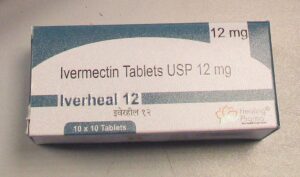
1. Is it the same as ivermectin?
No. They belong to different drug classes and work through different mechanisms.
2. Can humans take fenbendazole?
It is not approved for routine human use in most countries.
3. What parasites does fenbendazole treat?
It treats various intestinal worms in animals, including roundworms and hookworms.
4. Is fenbendazole available over the counter?
It is often available for veterinary use, depending on local regulations.
5. Is fenbendazole safe?
It is generally safe for animals when used correctly. Human safety is not well established.
6. Why do people talk about fenbendazole online?
Online discussions often focus on drug repurposing and anecdotal stories, but these are not substitutes for clinical evidence.
Final Thoughts
Fenbendazole is a well-established veterinary antiparasitic medication used to treat worm infections in animals. While it has gained attention in online health discussions, it is important to understand that it is not approved for human medical use in most regions.