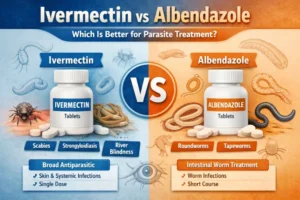
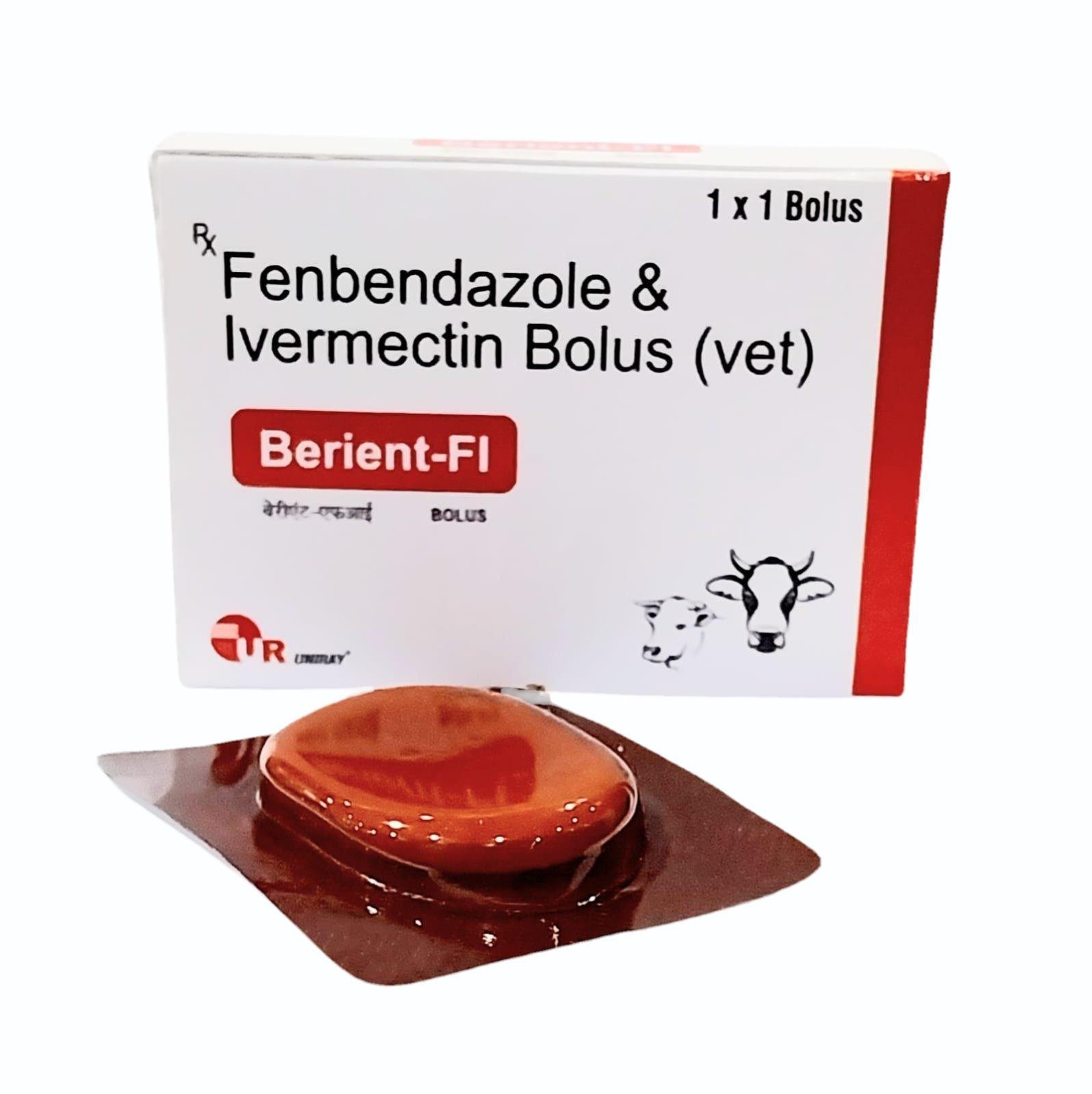
Ivermectin and fenbendazole tablets are antiparasitic medications used for specific infections, and they should only be used according to approved medical or veterinary guidance.ivermectin and fenbendazole tablets
Interest in ivermectin and fenbendazole tablets has increased significantly in recent years. However, there is widespread confusion about what these medications are, how they differ, and when they are appropriately used.
This comprehensive guide explains:
- What ivermectin tablets are
- What fenbendazole tablets are
- Key differences between them
- Approved uses
- Safety considerations
- Important warnings about human vs. veterinary use
What Are Ivermectin Tablets?
Ivermectin is a well-known antiparasitic medication used in human medicine. It belongs to a class of drugs called avermectins and has been widely prescribed for decades.ivermectin and fenbendazole tablets
Approved Human Uses of Ivermectin
Ivermectin tablets are commonly prescribed for:
- Strongyloidiasis (intestinal roundworm infection)
- Onchocerciasis (river blindness)
- Certain cases of scabies
- Resistant parasitic skin infections
It works by interfering with the nervous system of parasites, causing paralysis and eventual elimination from the body.ivermectin and fenbendazole tablets
Ivermectin tablets for human use are prescription medications in most countries and must be taken under medical supervision.
What Are Fenbendazole Tablets?
Fenbendazole is also an antiparasitic medication, but it is primarily used in veterinary medicine.
Common Veterinary Uses of Fenbendazole
Fenbendazole is widely used to treat parasites in animals such as:
- Dogs
- Cats
- Horses
- Livestock
It is effective against:
- Roundworms
- Hookworms
- Whipworms
- Certain tapeworms
Fenbendazole belongs to the benzimidazole class of antiparasitic drugs. It works by disrupting the parasite’s ability to absorb nutrients, leading to its death.ivermectin and fenbendazole tablets
⚠️ Important: Fenbendazole is not approved for human use in most countries.
Key Differences Between Ivermectin and Fenbendazole
| Feature | Ivermectin Tablets | Fenbendazole Tablets |
|---|---|---|
| Primary Use | Human & veterinary (different formulations) | Primarily veterinary |
| Drug Class | Avermectin | Benzimidazole |
| Mechanism | Affects parasite nerve system | Disrupts parasite metabolism |
| Human Approval | Yes (specific conditions) | Generally no |
| Prescription Required | Yes (for human use) | Veterinary prescription |
Understanding these differences is essential before considering any treatment.ivermectin and fenbendazole tablets
Dosage Considerations
Ivermectin Dosage (Human Use)
Dosage is based on:
- Body weight
- Type of infection
- Medical history
It is typically calculated in micrograms per kilogram (mcg/kg). In many cases, a single dose may be sufficient.
Only a healthcare provider should determine the correct dosage.ivermectin and fenbendazole tablets
Fenbendazole Dosage (Veterinary Use)
Fenbendazole dosage depends on:
- Animal species
- Body weight
- Type of parasite
- Veterinary guidance
It is not formulated or approved for human dosing standards.
Safety and Precautions
Ivermectin Safety
Ivermectin tablets are generally well tolerated when prescribed appropriately. Possible side effects include:
- Nausea
- Dizziness
- Headache
- Fatigue
Rare but serious reactions can occur, particularly if misused.
Always consult a healthcare professional before use.ivermectin and fenbendazole tablets
Fenbendazole Safety
Fenbendazole is considered safe for animals when used according to veterinary instructions.
However:
- It is not approved for human use
- Human safety data is limited
- Self-administration carries unknown risks
Using veterinary medications for human purposes is strongly discouraged.
Responsible Use of Antiparasitic Medications
When considering ivermectin or any antiparasitic medication:
- Obtain a proper medical diagnosis
- Use only approved human formulations
- Avoid self-medication
- Do not use veterinary products for human treatment
- Purchase medications from regulated pharmacies
Misuse of antiparasitic drugs can lead to:
- Toxicity
- Drug resistance
- Treatment failure
- Serious health complications
Storage Instructions
For both medications (when used appropriately):
- Store at room temperature
- Keep away from moisture and heat
- Keep out of reach of children
- Follow label instructions carefully
Frequently Asked Questions (FAQ)
1. Are ivermectin and fenbendazole the same?
No. They are different drugs from different classes with different approved uses.
2. Is fenbendazole approved for humans?
In most countries, no. It is primarily a veterinary medication.
3. Can ivermectin be purchased without a prescription?
In many countries, ivermectin for human use requires a prescription.
4. Is it safe to use veterinary medications for humans?
No. Veterinary formulations are not tested or approved for human use.
5. What infections does ivermectin treat?
It treats specific parasitic infections such as strongyloidiasis and onchocerciasis.
6. What parasites does fenbendazole treat?
It treats intestinal worms in animals.
7. Are there risks in self-medicating?
Yes. Incorrect dosing or inappropriate use can cause serious health risks.
Final Thoughts
Ivermectin and fenbendazole tablets are both antiparasitic medications, but they are not interchangeable.
Key takeaways:
- Ivermectin tablets are approved for certain human parasitic infections.
- Fenbendazole tablets are primarily for veterinary use.
- Human use of veterinary medications is unsafe and not recommended.
- Proper medical consultation is essential before starting any antiparasitic treatment.