Introduction
Intestinal parasites are a common but serious health concern for dogs of all ages. Worm infestations can cause digestive problems, poor nutrient absorption, weight loss, dull coats, and in severe cases, life-threatening complications. One of the most trusted solutions for managing these parasites is Safe Guard Canine Dewormer.
Safe Guard Canine Dewormer is widely used by veterinarians and dog owners for its effectiveness, safety profile, and long history of reliable parasite control. Whether you are a first-time pet owner or managing ongoing canine health care, understanding how Safe-Guard works and how to use it correctly is essential.
What Is Safe Guard Canine Dewormer?
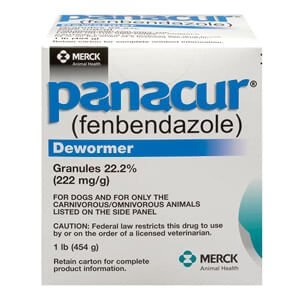
Safe-Guard Canine Dewormer is a veterinary medication that contains the active ingredient fenbendazole, a broad-spectrum anthelmintic (anti-worm medication). Fenbendazole has been used in veterinary medicine for decades and is known for its effectiveness against several common intestinal parasites in dogs.
Key Features of Safe Guard Canine Dewormer
- Active ingredient: Fenbendazole
- Drug class: Benzimidazole anthelmintic
- Administration: Oral (granules or suspension)
- Target animals: Dogs (puppies and adults, when used as directed)
Safe-Guard is designed specifically for animals and should only be used according to veterinary guidance or label instructions.Safe Guard Canine Dewormer
How Safe Guard Canine Dewormer Works
Safe Guard Canine Dewormer works by disrupting the energy metabolism of parasites. Fenbendazole interferes with the parasite’s ability to absorb glucose, which is essential for its survival.
Without access to energy:
- Parasites become weakened
- They lose their ability to survive and reproduce
- They are naturally expelled from the dog’s digestive system
This targeted mechanism helps eliminate parasites while remaining gentle on the dog when used correctly.Safe Guard Canine Dewormer
Parasites Treated by Safe Guard Canine Dewormer
Safe-Guard Canine Dewormer is valued for its broad-spectrum coverage. It is commonly used to treat the following intestinal parasites:Safe Guard Canine Dewormer
1. Roundworms (Toxocara canis, Toxascaris leonina)
Roundworms are especially common in puppies and can be transmitted through contaminated environments or from mother to pup. They can cause bloating, diarrhea, vomiting, and poor growth.
2. Hookworms (Ancylostoma caninum, Uncinaria stenocephala)
Hookworms attach to the intestinal lining and feed on blood, which can lead to anemia, weakness, and weight loss.
3. Whipworms (Trichuris vulpis)
Whipworms live in the large intestine and can cause chronic diarrhea, dehydration, and inflammation.
4. Certain Tapeworms (Taenia species)
While not effective against all tapeworm species, fenbendazole can be useful in treating some types when prescribed appropriately.
Benefits of Using Safe-Guard Canine Dewormer
Safe-Guard Canine Dewormer offers several advantages that make it a popular choice among veterinarians and dog owners.
Broad-Spectrum Protection
Instead of using multiple medications, Safe-Guard targets several common intestinal worms in one treatment.
Proven Safety Record
Fenbendazole has been extensively studied and used for many years in veterinary medicine, contributing to its strong safety profile.
Suitable for Puppies and Adult Dogs
When used as directed, Safe-Guard is commonly prescribed for puppies as young as several weeks old, as well as adult dogs.
Easy Administration
Safe-Guard is often available in granule form that can be mixed with food, making it easier for dogs to take.
Dosage Guidelines for Safe Guard Canine Dewormer
Why Proper Dosage Matters
Correct dosing is critical for effective parasite control and to reduce the risk of side effects or incomplete treatment.
General Dosage Principles
- Dosage is based on dog’s body weight
- Typically administered once daily for 3 consecutive days
- Exact dosing instructions vary by product formulation
Always weigh your dog accurately before dosing and follow the product label or veterinary instructions carefully.
Tips for Administration
- Mix granules thoroughly with food
- Ensure your dog consumes the full dose
- Do not skip days during the treatment course
If your dog vomits shortly after dosing, consult a veterinarian before re-administering.
Safety and Precautions
Is Safe-Guard Canine Dewormer Safe?
When used as directed, Safe-Guard Canine Dewormer is generally considered safe and well-tolerated in dogs. Its safety profile is one of the reasons it is commonly recommended.
Dogs That May Need Extra Caution
- Dogs with existing health conditions
- Pregnant or breeding dogs
- Very young puppies
In these cases, veterinary consultation is strongly recommended before treatment.
Possible Side Effects
Side effects from Safe-Guard Canine Dewormer are uncommon, but mild reactions can occur.
Possible Side Effects Include:
- Mild diarrhea
- Temporary decrease in appetite
- Lethargy
In many cases, these symptoms are short-lived and may be related to the body expelling parasites rather than the medication itself.
Seek veterinary attention if symptoms are severe or persistent.
Importance of Regular Deworming in Dogs
Parasites are not a one-time problem. Dogs can be repeatedly exposed through:
- Soil and grass
- Other animals
- Fleas (for some tapeworms)
- Contaminated food or water
Benefits of Routine Deworming
- Improves digestion and nutrient absorption
- Supports healthy growth in puppies
- Reduces risk of parasite transmission to humans
- Enhances overall well-being and energy levels
Safe-Guard Canine Dewormer can be part of a veterinarian-recommended parasite control plan.
Safe-Guard Canine Dewormer vs Other Dewormers
There are many deworming products available, each targeting different parasites.
Why Choose Safe-Guard?
- Targets roundworms, hookworms, and whipworms
- Well-studied active ingredient
- Flexible dosing options
Other dewormers may focus on heartworms or specific parasites, so combination approaches are sometimes recommended by veterinarians.
Preventing Parasite Resistance
Parasite resistance can develop if dewormers are misused.
Best Practices to Reduce Resistance
- Deworm only when necessary
- Use fecal testing when possible
- Follow full treatment courses
- Avoid underdosing
Responsible use helps ensure Safe-Guard remains effective long-term.
Storage and Handling
To maintain product quality:
- Store at room temperature
- Keep away from moisture and heat
- Seal packaging tightly after use
- Keep out of reach of children and pets
Do not use expired products.
Frequently Asked Questions (FAQ)
How often should dogs be dewormed?
Frequency depends on age, lifestyle, and exposure risk. Puppies often require more frequent deworming than adult dogs.
Can Safe-Guard Canine Dewormer be used with other medications?
In many cases, yes, but always consult your veterinarian to avoid interactions.
Is Safe-Guard prescription-only?
Availability varies by region. Some formulations are over-the-counter, while others may require veterinary guidance.
Final Thoughts
Safe-Guard Canine Dewormer is a trusted and effective solution for controlling common intestinal parasites in dogs. Its broad-spectrum action, proven safety record, and ease of administration make it a reliable choice for both puppies and adult dogs.
While Safe-Guard is highly effective, responsible use is essential. Always follow dosage instructions, consult a veterinarian when needed, and incorporate deworming into a comprehensive canine health plan.
By staying informed and proactive, you can help ensure your dog lives a healthier, happier, parasite-free life.