Nivolumab:
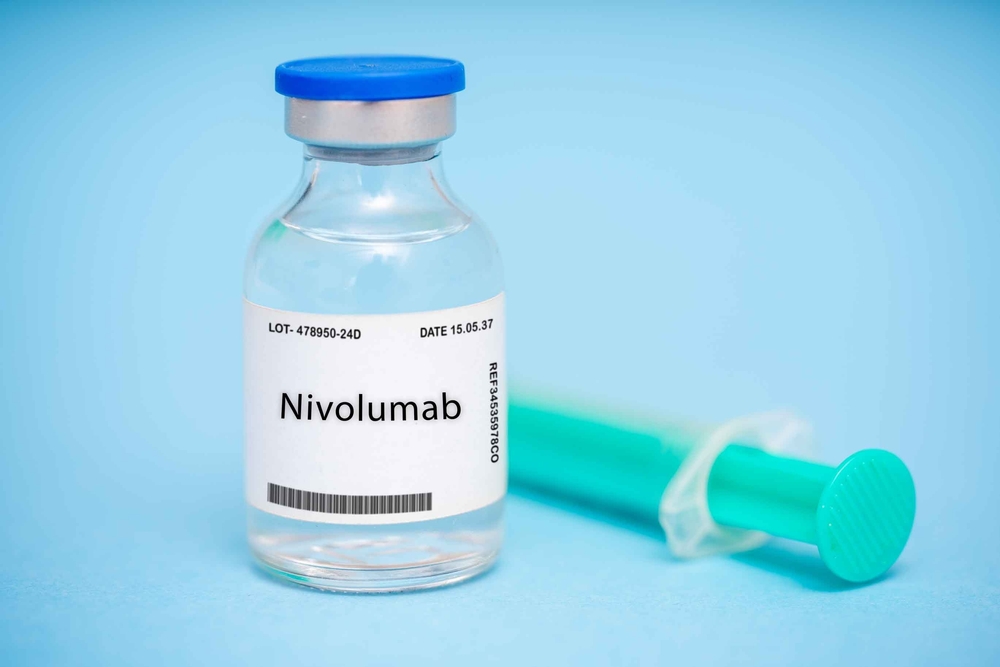
Nivolumab is a revolutionary cancer treatment belonging to a class of drugs known as immune checkpoint inhibitors. It’s designed to help the body’s immune system recognize and attack cancer cells more effectively.
Approved under the brand name Opdivo, Nivolumab has transformed the management of several advanced cancers by significantly improving survival rates and quality of life for many patients.
1. What Is Nivolumab?
it is a monoclonal antibody that targets the PD-1 (programmed death-1) receptor on T cells — a key part of the immune system.
Cancer cells often evade the immune system by binding to PD-1 and “turning off” immune responses. Nivolumab blocks this interaction, reactivating T cells to find and destroy cancer cells.
2. Cancers Treated with Nivolumab
it is approved for the treatment of multiple cancer types, either alone or in combination with other drugs (like ipilimumab).
Common indications include:
- Melanoma (skin cancer)
- Non-small cell lung cancer (NSCLC)
- Small cell lung cancer (SCLC)
- Kidney cancer (renal cell carcinoma)
- Liver cancer (hepatocellular carcinoma)
- Hodgkin’s lymphoma
- Head and neck cancer
- Bladder cancer
- Esophageal and gastric cancer
- Colorectal cancer (MSI-H/dMMR types)
Its wide range of uses reflects its effectiveness in cancers that express PD-1/PD-L1 pathways.
3. How Nivolumab Works
Unlike chemotherapy, which directly kills cancer cells, it enhances the body’s natural immune response.
Mechanism of Action:
- PD-1 is a “brake” on T cells that prevents them from attacking normal cells.
- Some cancers exploit this brake by expressing PD-L1 (a PD-1 ligand).
- Nivolumab binds to PD-1, blocking PD-L1 from turning off immune cells.
- The immune system then recognizes cancer cells as threats and attacks them.
This process is called immunotherapy — it empowers your body’s own defense mechanisms rather than relying solely on drugs to destroy cancer.
4. Administration and Dosage
Nivolumab is administered intravenously (IV) in a hospital or clinic setting.
Typical schedule:
- Every 2 to 4 weeks, depending on the cancer type and treatment plan.
- Dosage is usually 240 mg every 2 weeks or 480 mg every 4 weeks for adults.
It may be used alone or combined with other immune or targeted therapies for enhanced results.
5. Side Effects and Precautions
While Nivolumab is generally well-tolerated, activating the immune system can sometimes cause it to attack healthy tissues — leading to immune-related side effects.
Common side effects include:
- Fatigue
- Skin rash or itching
- Nausea
- Loss of appetite
- Joint pain
Serious but less common side effects:
- Inflammation of the lungs (pneumonitis)
- Liver inflammation (hepatitis)
- Endocrine disorders (thyroid or adrenal issues)
- Intestinal inflammation (colitis)
Patients on Nivolumab require regular monitoring and blood tests to ensure their immune system remains balanced.
6. Effectiveness and Research
Clinical trials have shown Nivolumab can significantly improve overall survival and response rates compared to traditional chemotherapy, especially in advanced-stage cancers.
For example:
- In melanoma, Nivolumab nearly doubled survival compared to dacarbazine.
- In lung cancer, it improved 5-year survival rates beyond expectations for metastatic cases.
- When combined with Ipilimumab, it offers powerful synergy for certain cancers like renal cell carcinoma and melanoma.
Nivolumab continues to be studied in new cancer types and earlier stages of disease.
7. Supporting Cancer Wellness
While Nivolumab fights cancer at the immune level, overall health and recovery depend on nutrition, mental wellness, and supportive care.
Wellness tips for patients on immunotherapy:
- Eat antioxidant-rich foods (fruits, vegetables, omega-3s).
- Stay hydrated to help manage fatigue.
- Maintain gentle physical activity to support circulation and strength.
- Manage stress through meditation, yoga, or light breathing exercises.
Holistic health support complements medical treatment by helping the body maintain energy, immune balance, and recovery strength.
For natural wellness guidance, immune system support, and holistic resources for cancer recovery, visit WellnessAgainstCancer.com.
8. Final Thoughts
Nivolumab represents a major advancement in cancer care — offering hope to patients with advanced cancers that were once considered untreatable. By empowering the immune system to fight cancer, it helps patients live longer, healthier lives.
Though it’s not suitable for everyone, it’s a vital part of today’s immunotherapy revolution. Combined with proper wellness care, nutrition, and emotional support, it can significantly enhance quality of life during and after treatment.
Explore more cancer education and holistic wellness information at WellnessAgainstCancer.com — your trusted source for integrative cancer care guidance.