Ivermectin for Humans
Ivermectin is a well-known anti-parasitic medication that has been used safely for decades in humans and animals. Originally discovered in the 1970s, ivermectin earned a Nobel Prize in Medicine in 2015 for its role in controlling parasitic diseases worldwide.Ivermectin for Humans
Today, it continues to play an important role in global public health — particularly in treating and preventing certain parasitic infections in humans.
1. What Is Ivermectin?
Ivermectin belongs to a class of medications known as antiparasitic agents. It works by interfering with the nerve and muscle function of parasites, effectively paralyzing and eliminating them from the body.Ivermectin for Humans
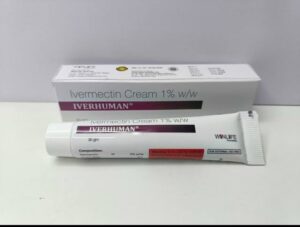
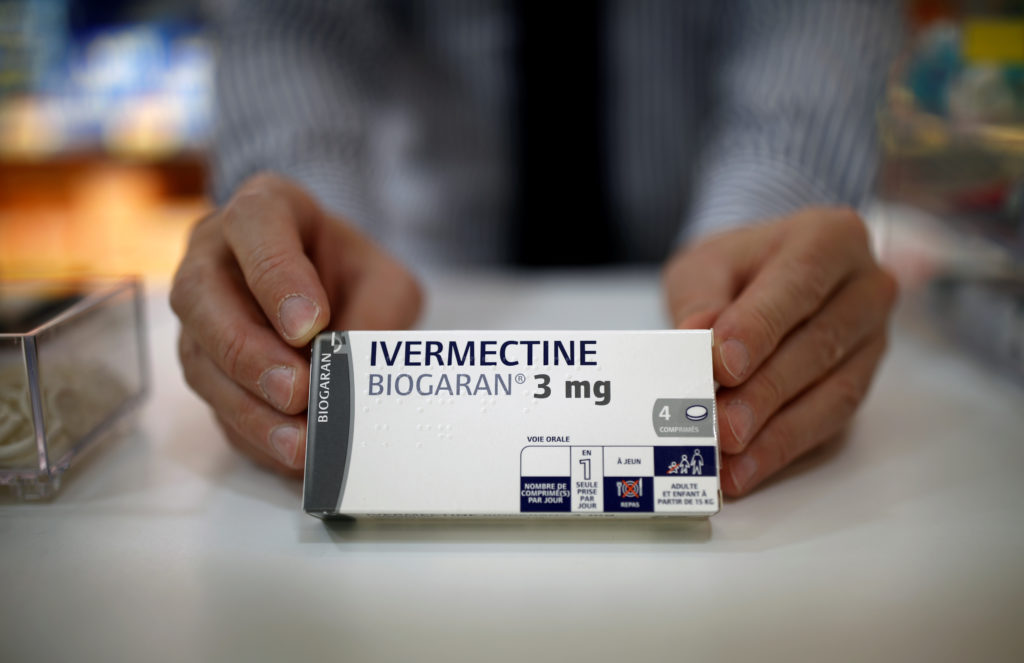
It is available in different forms, such as oral tablets, topical creams, and lotions, depending on the condition being treated.
In humans, ivermectin is most often used under medical supervision for specific parasitic infections.
2. Approved Medical Uses of Ivermectin in Humans
The U.S. Food and Drug Administration (FDA) and World Health Organization (WHO) approve ivermectin for several human conditions. These include:Ivermectin for Humans
- Strongyloidiasis – a type of intestinal roundworm infection that can persist for years without symptoms.
- Onchocerciasis (River Blindness) – caused by a parasitic worm transmitted by blackflies, common in tropical regions.
- Scabies – a skin infestation caused by mites that burrow under the skin, causing itching and irritation.
- Head lice – topical ivermectin lotion can be prescribed when other treatments fail.
It has also been studied for its potential effects in other diseases, but any use beyond approved indications should only be done under medical supervision.
3. How Ivermectin Works
Ivermectin binds to chloride channels in the nerve and muscle cells of parasites, leading to paralysis and death of the organism. The drug’s selectivity ensures that it targets parasites without harming human cells when used in prescribed doses.Ivermectin for Humans
After administration, ivermectin is metabolized in the liver and eliminated through the body within a few days.
4. How to Take Ivermectin Safely
Ivermectin should always be taken exactly as prescribed by a healthcare provider.
Key safety guidelines include:Ivermectin for Humans
- Dosage depends on body weight and the type of infection being treated.
- It is usually taken as a single oral dose, sometimes repeated after a few days or weeks.
- It can be taken on an empty stomach with water.
- Never use formulations meant for animals — they differ in strength and may contain unsafe ingredients.
- Inform your doctor of any liver issues, pregnancy, or medications you are taking.
Common side effects are generally mild and short-term, including dizziness, nausea, or fatigue.
5. Ivermectin in Global Health
Ivermectin has been central to global public health campaigns for decades. Through programs sponsored by the WHO, millions of doses are distributed annually to control parasitic infections in Africa, Asia, and Latin America.Ivermectin for Humans
Its success in reducing river blindness and lymphatic filariasis (elephantiasis) is considered one of the greatest achievements in modern medicine.
6. Debunking Misconceptions
In recent years, ivermectin has gained attention for unapproved uses, particularly during viral outbreaks. However, major health organizations — including the FDA, CDC, and World Health Organization — emphasize that ivermectin is not approved for treating viral infections.Ivermectin for Humans
While laboratory research continues, the use of ivermectin outside its approved purposes should only be done within clinical trials or under medical advice. Self-medicating can be dangerous and lead to overdose or toxicity.
7. The Role of Wellness in Parasite Prevention
While ivermectin treats infections, prevention remains the best protection. Building a strong immune system and practicing good hygiene reduces the likelihood of parasitic illness.
Here are a few wellness-based habits that help:
- Wash hands regularly before eating or handling food.
- Cook meat thoroughly and avoid drinking untreated water.
- Keep pets dewormed and living spaces clean.
- Eat immune-supportive foods such as garlic, ginger, and leafy greens.
- Support detoxification through hydration and balanced nutrition.
To explore more wellness information and resources for maintaining a healthy body naturally, visit WellnessAgainstCancer.com. The platform shares educational articles and guidance to help people live healthier, balanced lives.
8. Final Thoughts
Ivermectin remains one of the most impactful medicines in modern healthcare. Its ability to control parasitic diseases and improve global health outcomes is unmatched.
However, it should be used responsibly — only under the supervision of a qualified healthcare provider. Combining safe medical care with good nutrition, hygiene, and wellness habits is the most effective way to protect your health.
For more insights on wellness, immune support, and holistic living, explore WellnessAgainstCancer.com — your trusted resource for health education and natural balance.